High Solids & Low Viscosity Adhesive · 1 grades
High Solids, Low Viscosity Adhesives
Adhesive systems formulated at high solids and low viscosity, so more adhesive is laid down per pass with less solvent to evaporate.
High solids and low viscosity sound like opposites. In practice they are the two properties that let a laminating adhesive run efficiently: more polymer per litre, and a viscosity low enough to wet out at line speed.
Why the combination matters
- More solids means less solvent to evaporate per square metre, which reduces drying energy and residual solvent.
- Lower viscosity at those solids means the adhesive still wets out on the web instead of sitting on top of it.
- Coat weight control improves, because the working viscosity is stable across the run.
- Fewer coating defects — no orange peel, no skipping, no solvent popping in the tunnel.
Where it is used
High-solids systems suit converters who want to reduce solvent consumption without changing the laminator, and solvent-free systems — 100% solids — suit lines already set up without a drying tunnel. Both depend on accurate metering: the advantage disappears if mix ratio or temperature drifts.
What to measure on a trial
Coat weight across the web width, bond strength after full cure, and the absence of delamination after the fill. A high-solids adhesive that looks perfect on the reel and separates in a retort pouch has not been proven — it has only been run.
Specification notes
Solids content, working viscosity and mix ratio are stated on the data sheet for each grade rather than published as a single range, because two grades in the same family can differ in both. Send the structure and the target coat weight and the grade is confirmed in writing.
Grade list
1 grades in this family
Each code has its own data sheet. Selection is confirmed against the structure before a sample ships.
| Photo | Code | Product | Data sheet |
|---|---|---|---|
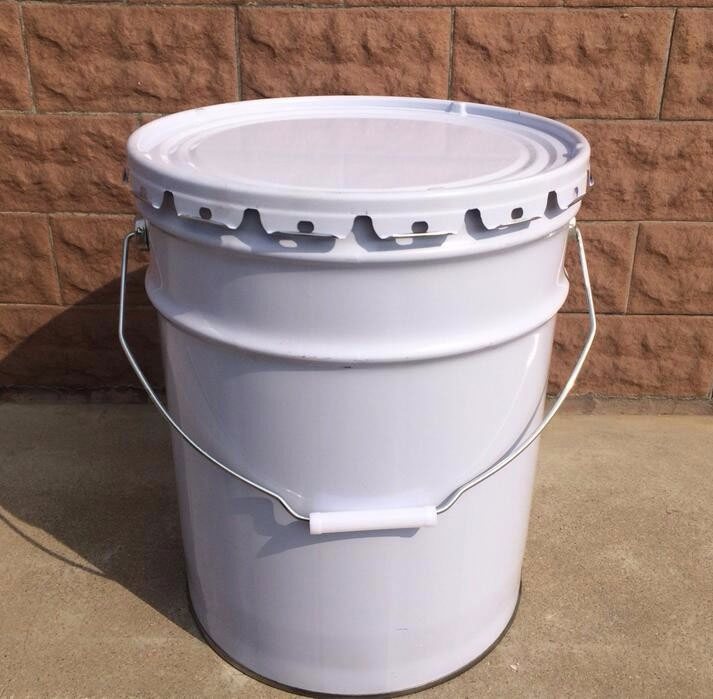 |
1026 | Solvent-Free Laminating Adhesive Solvent-free two-component polyurethane adhesive for laminators running without a solvent recovery system. | Request TDS → |
Questions buyers ask
High Solids & Low Viscosity Adhesive: common questions
What does high solids, low viscosity mean in practice?
More polymer per litre, with a viscosity low enough to wet out at line speed. The practical result is less solvent to evaporate per square metre and a coat weight that stays stable across the run.
Does a high-solids adhesive need new equipment?
Not necessarily. High-solids solvent-based systems run on a conventional laminator with a drying tunnel; 100% solids systems are for lines already set up without one. Both need accurate metering of the mix ratio.
How is the grade confirmed?
Against the structure, the target coat weight and the line conditions. Solids content, working viscosity and mix ratio are stated on the data sheet for the specific grade, not as a single range for the family.
Not sure which grade fits the structure?
Send the film combination, the fill and the line speed.